THE WORD
Cartone, large paper
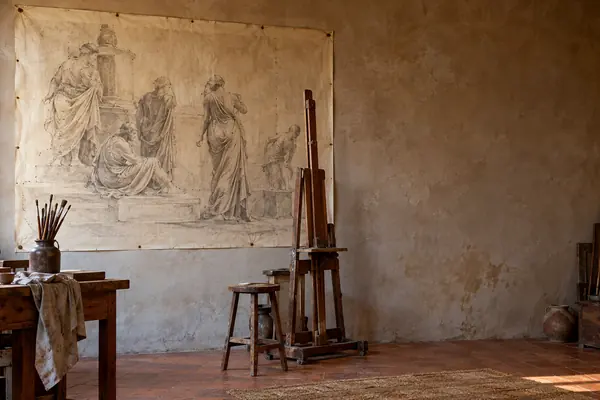
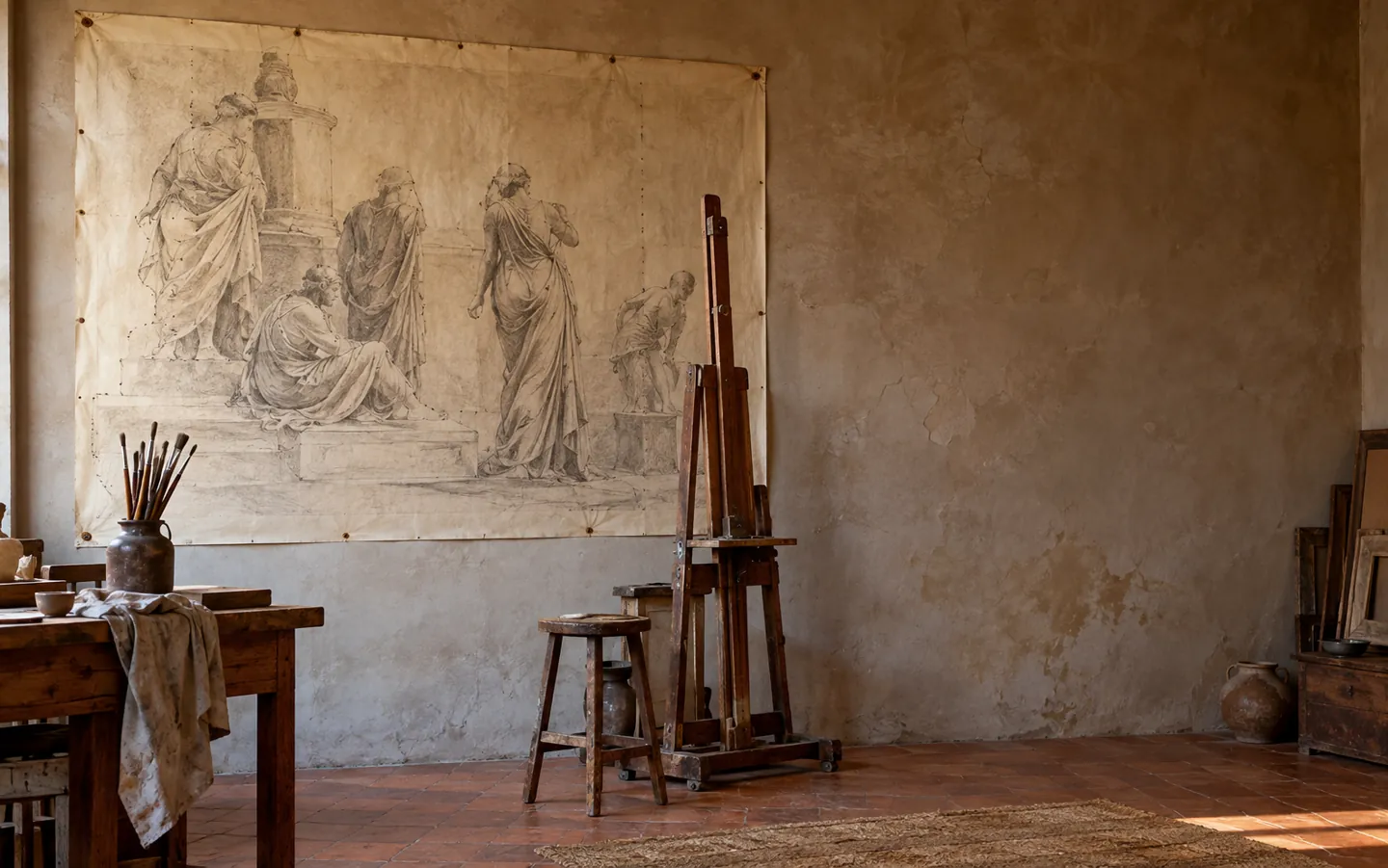
The word comes from the Italian cartone, a large sheet of paper. A cartoon was a full-size, usually detailed drawing prepared for a fresco, canvas, panel or tapestry.
Pick a cartoonWHERE THE WORD COMES FROM
A cartoon started as a big sheet of paper.
For centuries a cartoon was a painter's full-size working drawing, used to copy a design onto a wall, a canvas or a tapestry. Only in the 1840s did the word start to mean a funny picture.
CARTONE a large sheet of paper
THE SHORT ANSWER
The National Gallery, the V&A and Britannica
all start with the same big sheet of paper.
THE WORD
The word comes from the Italian cartone, a large sheet of paper. A cartoon was a full-size, usually detailed drawing prepared for a fresco, canvas, panel or tapestry.
Pick a cartoonTHE METHOD
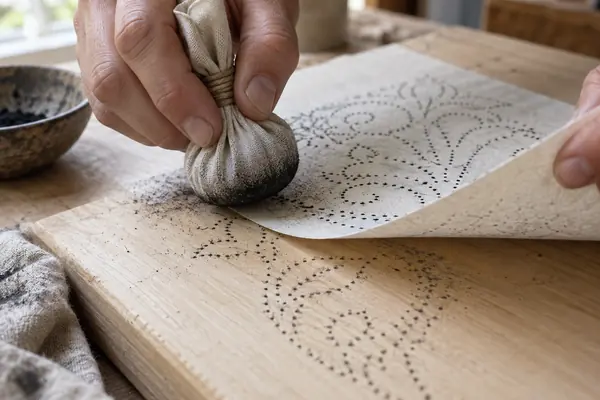
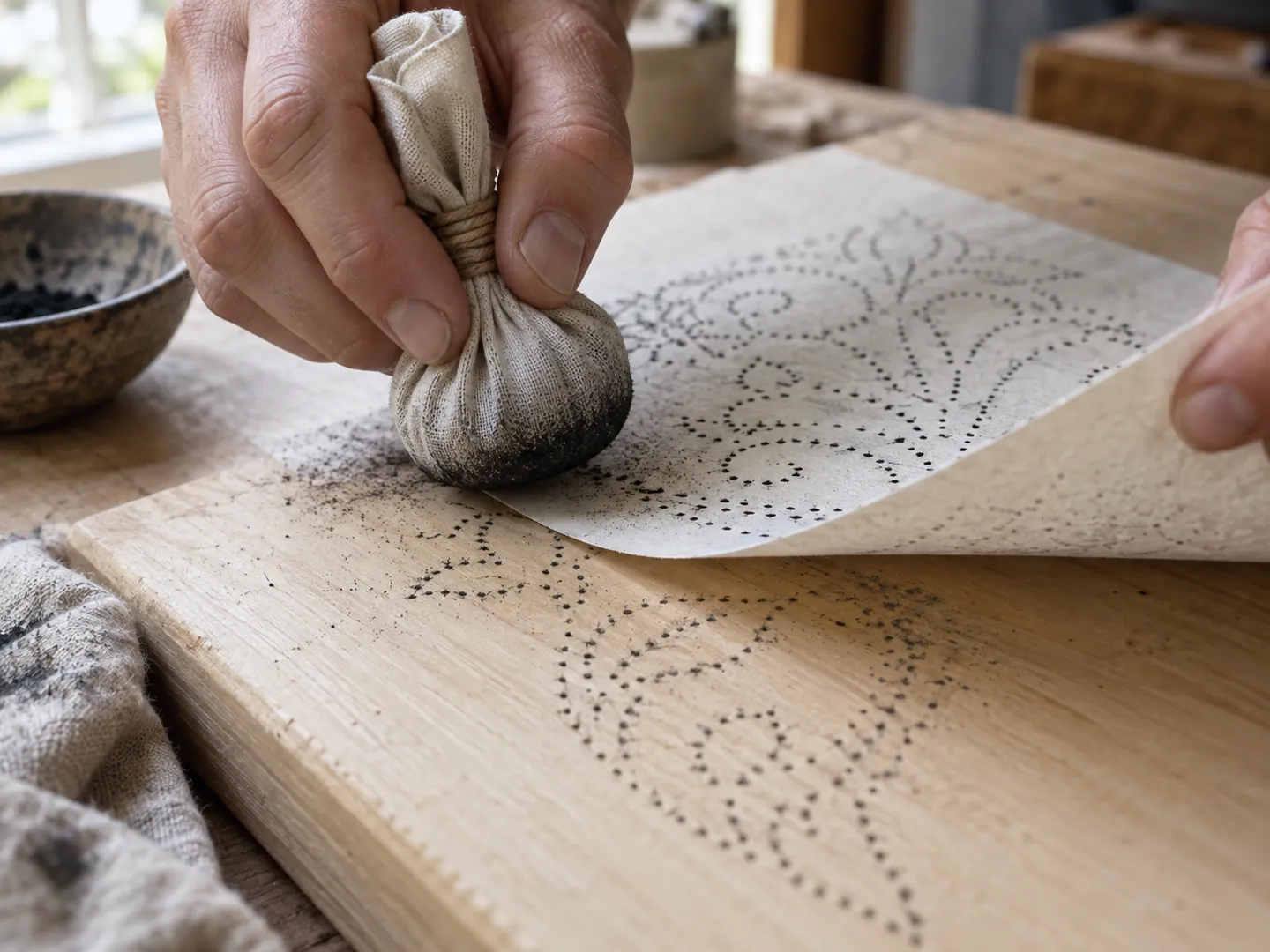
The lines could be pricked with tiny holes and charcoal pounced through, leaving a dotted copy of the design on the surface below.
Try it at homeTAPESTRY
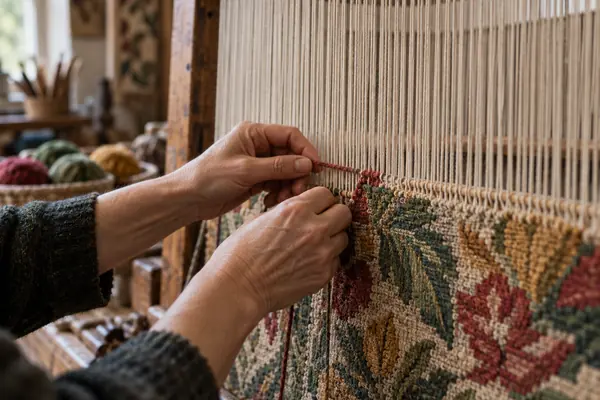
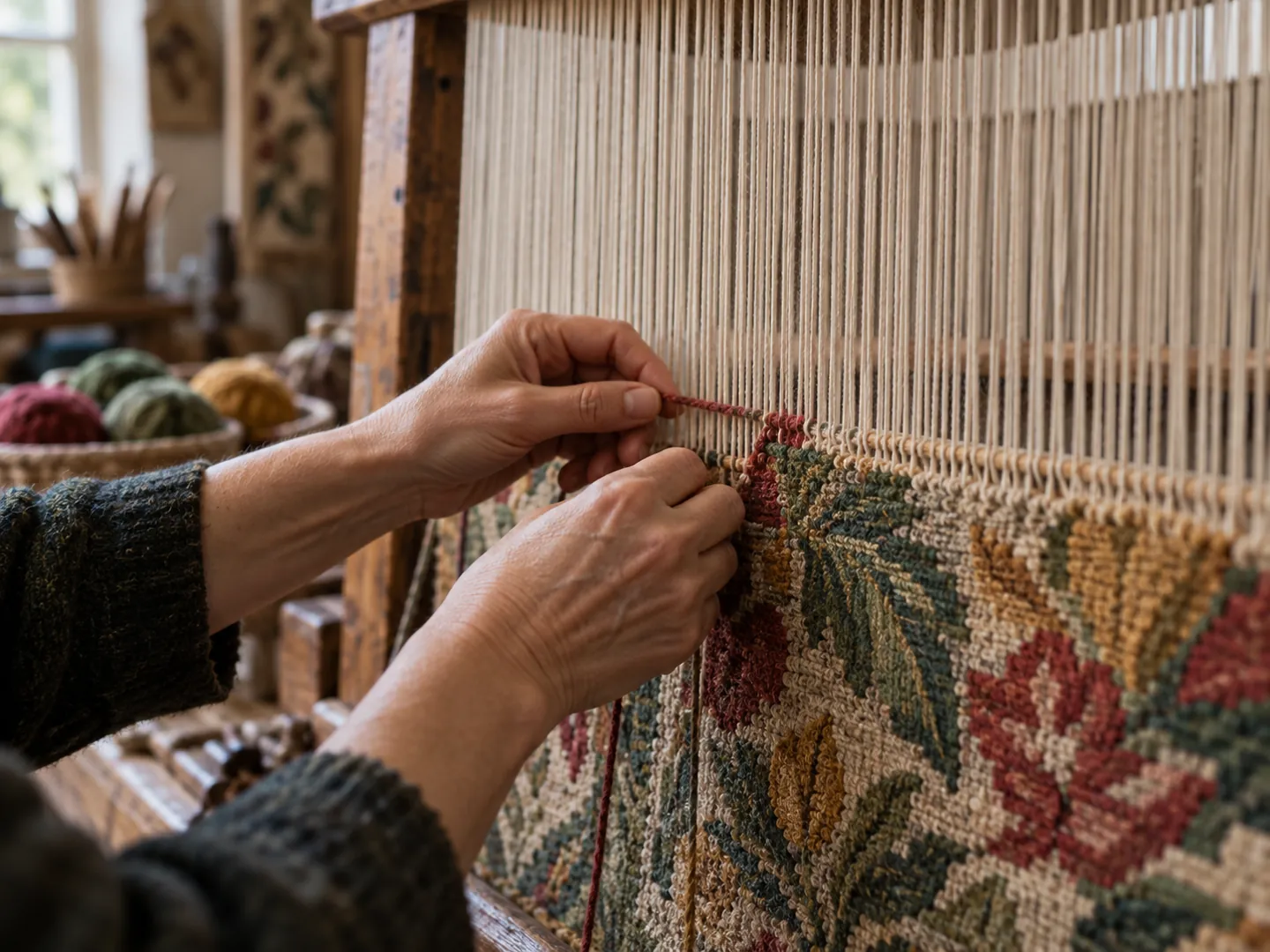
Some looms weave a mirror image of the design, so tapestry cartoons sometimes had to be conceived in reverse.
See the numbersA QUICK CARTOON PICKER
Pick a kind of cartoon to see what the word meant in each case. The bar shows how far that sense has moved from the original big sheet of paper.
Based on the National Gallery glossary, the V&A and Encyclopaedia Britannica. General information only.
TWO NUMBERS WORTH KNOWING
One figure from a famous set of tapestry cartoons,
one from the exhibition that changed the word.
7of 10
Designs from about 1515–16 that survive
Of ten full-scale tapestry designs commissioned in about 1515, seven survive at the V&A. They were cut into long vertical strips, probably before being sent to the weavers in Brussels in December 1516.
TAPESTRY CARTOONS · V&A
≈ 1,800a day
Average visitors a day to a cartoon contest
About 150 painters competed for ten prizes with cartoons for murals in the new Houses of Parliament. Attendance averaged about 1,800 a day from 3 to 15 July 1843.
WESTMINSTER HALL, 1843 · VICTORIAN WEB
The V&A says Brussels used low-warp looms, which produce a reversed image of the design, so the artist had to plan each composition the other way round.
TRY THE OLD METHOD
Pricking and pouncing needs only a pin, paper and a little charcoal dust. It is a neat way to repeat one design on several sheets.
Make your drawing on paper at exactly the size you want the copy to be, just as a cartoon was.
Rest the sheet on a soft surface and push a pin through along the outlines to make a row of tiny holes.
Lay the sheet on the new surface and dab powdered charcoal or chalk through the holes.
Lift the sheet and draw over the dotted outline left behind. For a mirror image, simply flip the cartoon first.
HOW IT BECAME FUNNY
In July 1843 a government competition showed large cartoons, sketches for murals in the new Houses of Parliament, in Westminster Hall. Entry cost a shilling, and subjects had to come from British history, Spenser, Shakespeare or Milton.
On 15 July 1843 the magazine Punch printed a satirical drawing titled Cartoon No.1: Substance and Shadow, contrasting the show with the hungry poor. After that, the word came to mean pictorial satire and, eventually, any humorous drawing.
Questions
From the Italian cartone, meaning a large sheet of paper. The National Gallery defines a cartoon as a full-size and usually detailed preparation on paper for a painting or a tapestry.
They could trace the lines with a stylus, incise them, or prick them with tiny holes and pounce charcoal through, leaving a dotted outline on the surface below.
Some looms, such as the low-warp looms used in Brussels, produce a reversed image of the design, so the artist had to anticipate the mirror image.
Britannica dates the sense of a pictorial parody to the early 1840s. Punch printed its Cartoon No.1 on 15 July 1843, a satire on an exhibition of mural cartoons in Westminster Hall.
Not quite. Britannica describes cartoons as typically static images, sometimes in a series like a comic strip, while animation shows still frames in rapid succession to create the illusion of movement.
Sources
ABOUT THIS NAME
doodletoon.com is part of the DoodleSale portfolio. Check the current listing and available purchase or lease options.